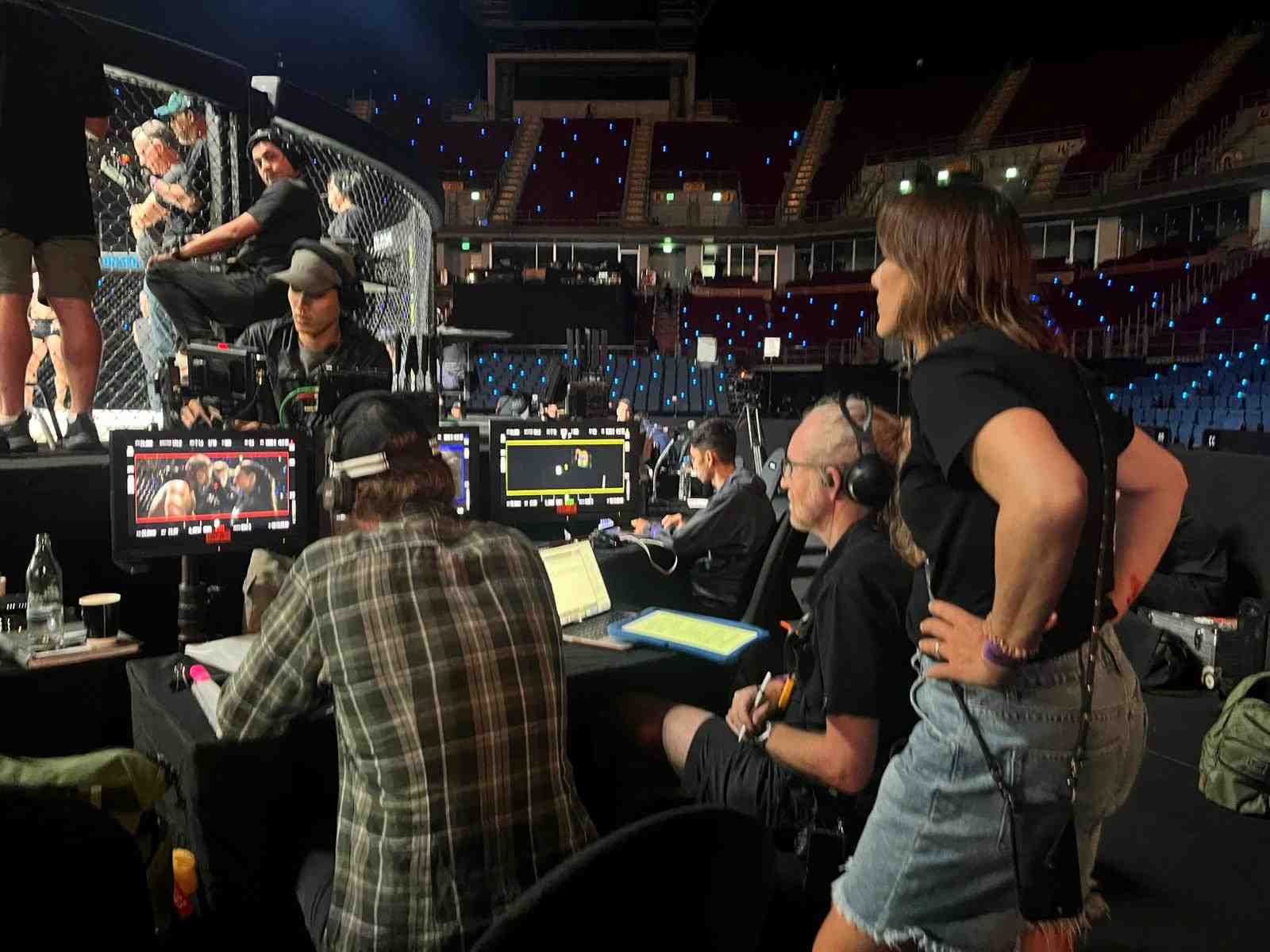
ARRI ALEXA Mini LF rental Thailand planning must connect the camera body to large-format lenses, recording media, power, monitoring, wireless control and an experienced camera team. The compact form makes the system adaptable, but a complete commercial or narrative build is not small by default. Thailand Fixer coordinates the technical package with locations, transport and crew while confirming exact availability for the requested dates.
Why productions request the Mini LF
The ALEXA Mini LF is considered for projects seeking ARRI large-format image characteristics in a body that can move between studio, handheld, gimbal, crane, vehicle and drone-style applications. Its flexibility suits commercials, features, premium branded films and controlled documentary work where image quality and an established cinema workflow are priorities.
The choice should still be compared with the boards, delivery format and movement plan. Our Thailand production work shows the range of locations where size, rigging and transport affect a camera decision.
Confirm the exact camera configuration
List recording format, resolution, frame rate, sensor mode, lens mount, media, viewfinder, baseplate, rods, cage, power distribution and camera-control requirements. Ask which accessories are included with the body and which are separate. A Mini LF without suitable media, readers or lens support is not production ready.
ARRI maintains official ALEXA Mini LF camera information. Manufacturer documentation answers capability questions, while the rental source confirms firmware, licences, mount and accessories on the supplied serialised body.
Large-format lens coverage
Select lenses that cover the intended sensor mode and support the desired rendering. Coverage should be confirmed by focal length, not assumed from a family name. Discuss vignetting, close focus, speed, breathing, flare, weight and front diameter. A lens test should use the actual camera and planned recording mode.
Large-format primes and zooms can increase the weight and length of the build. Send the heaviest configuration to the grip, gimbal, crane and remote-head teams. Our sister-site cinema lens rental Thailand guide provides a detailed framework for comparing prime families and zoom workflows.
Media and recording time
Confirm approved media type, capacity, quantity, readers and minutes per card at the selected settings. High resolution and high frame rates increase both card turnover and daily data. The loader and data manager need enough media to verify copies before cards return to camera.
Build a data estimate from camera count, codec, frame rate and shooting ratio. Provide primary and backup drives, checksum software, reports and a protected workstation. For remote or island work, decide whether a third copy stays locally and how verified drives travel.
Power for each operating mode
Calculate power for the camera plus viewfinder, monitors, transmitters, lens motors and accessories. Battery choice affects runtime, balance and changeover. Studio configurations can use larger batteries or block power; handheld and stabilised modes may need compact packs and more frequent rotation.
Prepare charging circuits and label batteries. Thailand’s heat can affect working conditions, so keep power systems shaded and ventilated. Do not leave batteries inside closed vehicles. Confirm airline and freight rules when batteries cross borders or travel domestically by air.
Wireless monitoring and camera control
Commercial productions may need separate monitoring for operator, focus puller, director, agency and client. Specify transmitter, receivers, monitor sizes, LUT workflow, stands, power and shade. Test range in the expected environment; concrete buildings and crowded RF conditions can reduce performance.
Camera control can support menu access, lens metadata and remote operation, depending on the configuration. Decide who is authorised to change settings and document the approved setup. A clear chain prevents accidental format or exposure changes during a busy day.
Handheld and shoulder work
The body can build into a compact handheld system, but operator comfort depends on shoulder pad, handgrips, viewfinder position, battery and lens. Test the full working weight. A balanced camera is more sustainable than a nominally light body with accessories projecting forward and backward.
Prepare a quick-release strategy for tripod and handheld changes. Standardise plates, rod height and cable paths. Keep the lens support attached where required rather than saving seconds at the risk of mount stress.
Gimbal, crane and remote-head builds
Provide the complete camera payload and dimensions to the movement team. Large-format lenses, matte boxes, motors and wireless units may exceed a gimbal or remote head’s useful capacity even when the body fits. Build and balance the intended combination at prep.
For cranes and vehicle work, include control cables, emergency stop procedures, operating envelope and safe attachment. Specialist technicians should supervise. Camera compactness does not reduce the need for rated grip equipment and proper exclusion zones.
Exposure, monitoring and colour workflow
Agree on exposure tools, EI strategy, monitoring LUTs and whether any look is baked into proxies or dailies. Load the approved transforms during prep and test them through every monitor path. Client monitors should show the intended viewing image without changing what the camera records.
Record a chart, grey card and skin reference under representative lighting. Communicate the colour pipeline to post-production. For multiple ARRI bodies, compare them together and document any deliberate difference in filtration or exposure.
Camera crew structure
A typical larger production may use a director of photography, camera operator, first AC, second AC and data manager. Additional cameras, complex movement and rapid company moves increase staffing. The first AC handles build, focus and technical integrity; the second AC manages lenses, media and reports; data personnel protect camera originals.
Smaller crews can combine roles only when the workload permits. One operator should not be expected to pull critical focus, manage high data volumes, service several client monitors and rebuild a gimbal without schedule consequences. See our about page for how we scale local teams to each job.
Prep and testing checklist
Inspect the sensor and mount, confirm firmware and licences, reset and record menus, test media and readers, build every mode, check lens coverage and calibrate focus. Test timecode, audio reference, wireless video and camera control. Record at the highest planned frame rate and verify the files through the data workflow.
This preparation is essential for an ARRI ALEXA Mini LF rental Thailand booking because every operating mode must remain compatible with the approved lens and support package.
Photograph final builds and label cables. Weigh the heaviest configuration for grip. Note balance positions and required tools. A full prep day may be justified for commercials with multiple modes because it protects expensive talent and location time.
Thailand location logistics
Bangkok offers strong crew and rental support, while regional and island locations require longer transport and more self-contained backups. Check truck access, service lifts, boat weight limits, charging, dry storage and replacement distance. The camera should acclimatise when moving from strong air conditioning into humid exterior air.
Rain covers, waterproof case protection and lens-care materials must travel with the working unit. Coastal shoots need salt and sand control. Coordinate camera movement with permits and location rules, especially for vehicles, cranes, rooftops and drones.
Our production questions show which schedule and location details are needed before the package can be confirmed.
Rates, availability and alternatives
Pricing depends on the body, lenses, media, accessories, crew, prep, transport and insurance requirements. Availability is confirmed live for the exact dates. ARRI ALEXA Mini LF rental Thailand quotations should list the full package so producers can compare like with like.
If the requested body is unavailable, we explain how an alternative differs in sensor, recording, lens coverage, size, media and workflow. ALEXA 35, ALEXA Mini or another system is not presented as identical; the cinematographer and post team approve any change.
Frequently asked questions
Does the ALEXA Mini LF require large-format lenses?
It requires lenses that cover the selected sensor mode. Coverage varies by lens and focal length, so the proposed set should be tested on the actual camera configuration.
Can the Mini LF be used on a gimbal?
Yes, with an appropriate payload, lens and accessory build. The complete camera must be balanced and tested; a stripped configuration is usually prepared separately from the studio build.
Is a camera assistant included?
Crew is quoted according to the production. We can coordinate first and second ACs, data management, operators and a director of photography as needed.
Can the package travel to Phuket or Chiang Mai?
Yes, subject to transport and schedule. Regional work needs protected cases, battery planning, suitable crew travel and backup for items that cannot be replaced quickly.
How early should the package be booked?
Send the brief as soon as dates are credible. Large-format lenses, multiple bodies and specialist movement systems need additional lead time and prep availability.
Request a Mini LF package
Send dates, treatment, locations, recording settings, lens preferences and movement plan to [](mailto:[email protected]). We will prepare an ARRI ALEXA Mini LF rental Thailand package with tested accessories, local camera crew and practical logistics.